
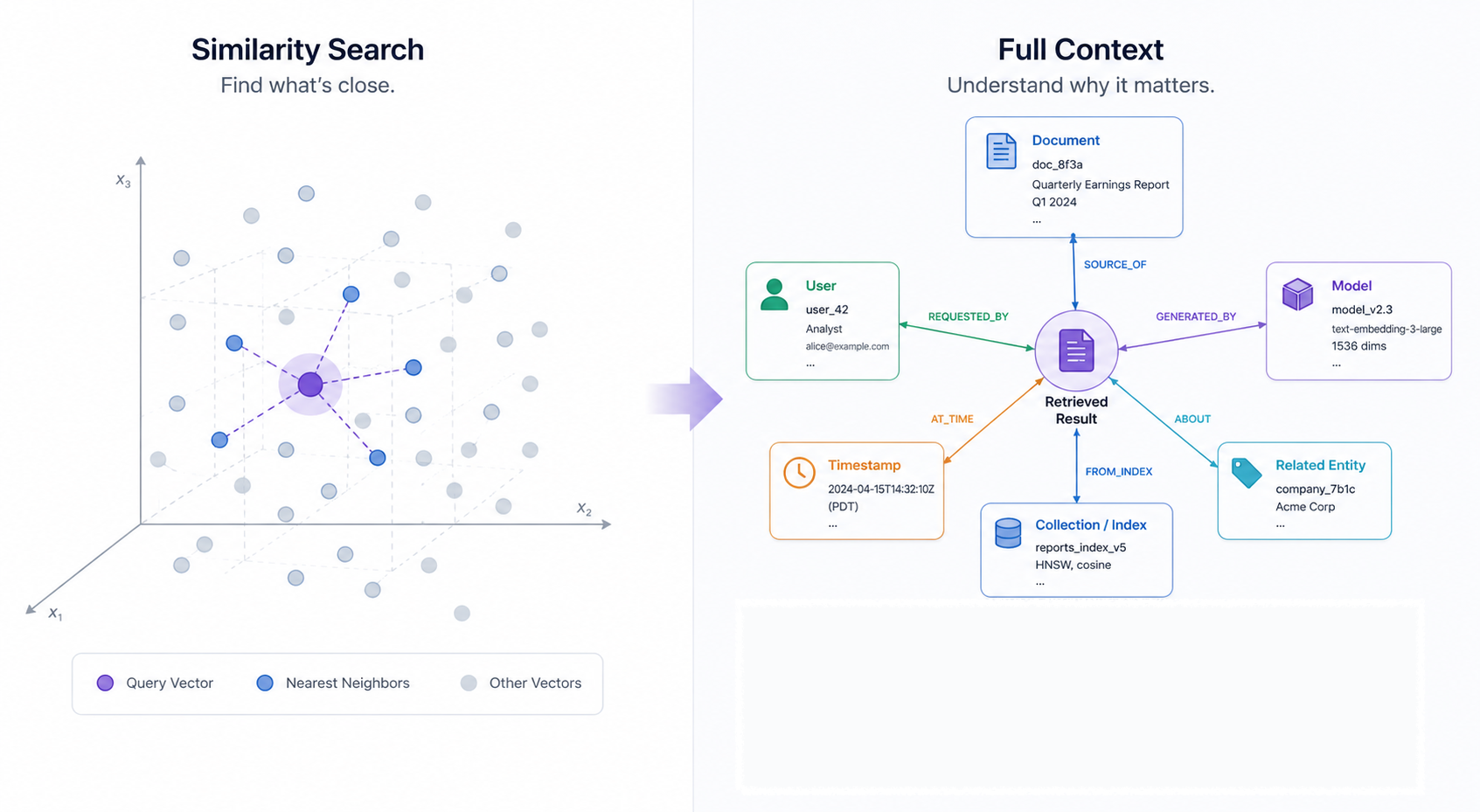
Coming From Vector Databases
If you’re coming from vector databases, you already understand the power of embeddings and similarity search. But as systems grow, teams often run into the limitations of vector databases—similarity alone doesn’t explain how results were produced. This article explores a more complete approach that connects vectors to full decision context.
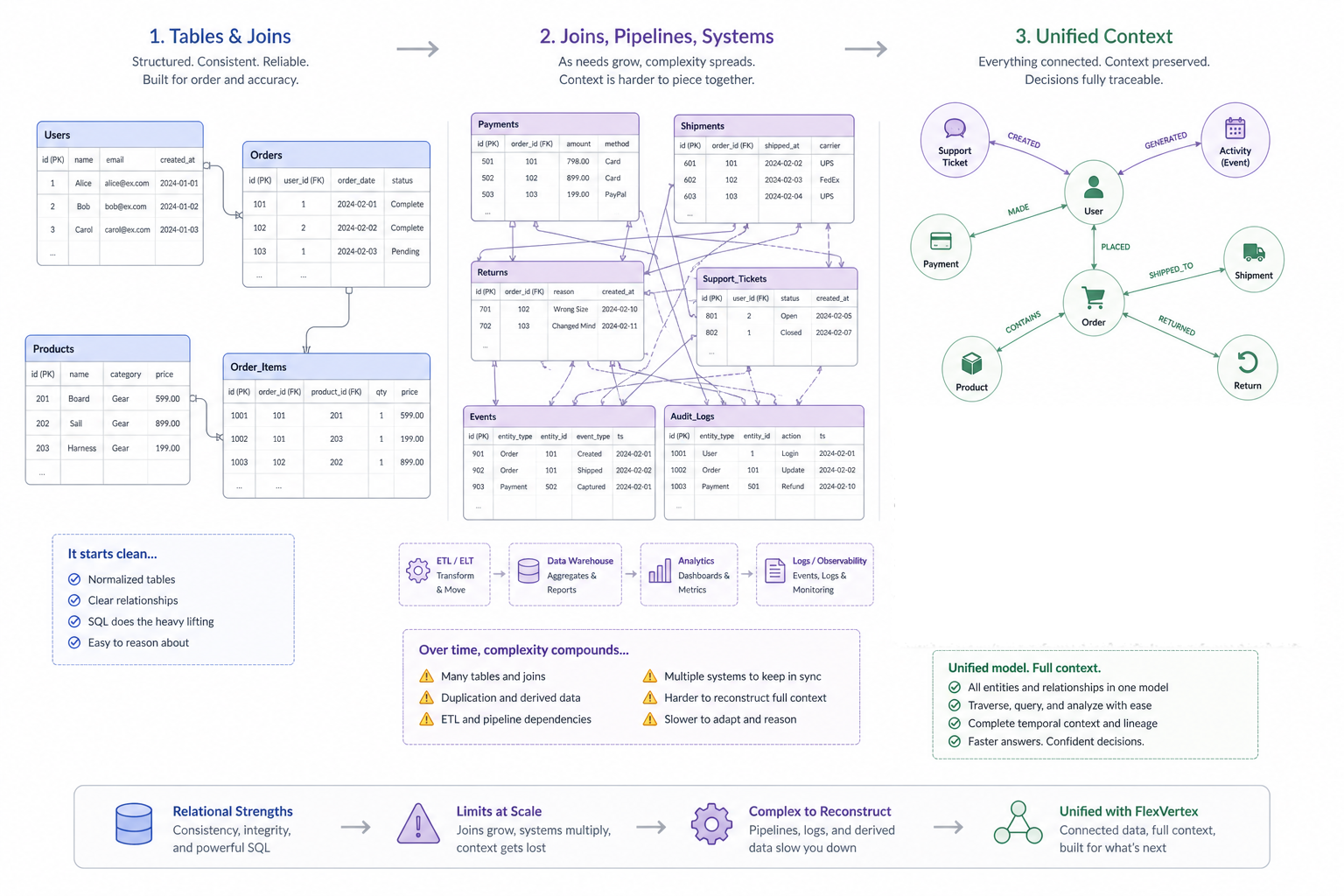
Coming From Relational Databases
If you’re coming from relational databases, you already value structure, consistency, and SQL. But as systems grow—introducing unstructured data, AI, and time—teams often start looking for relational database alternatives. This article explores a unified approach that extends beyond tables while preserving what already works.
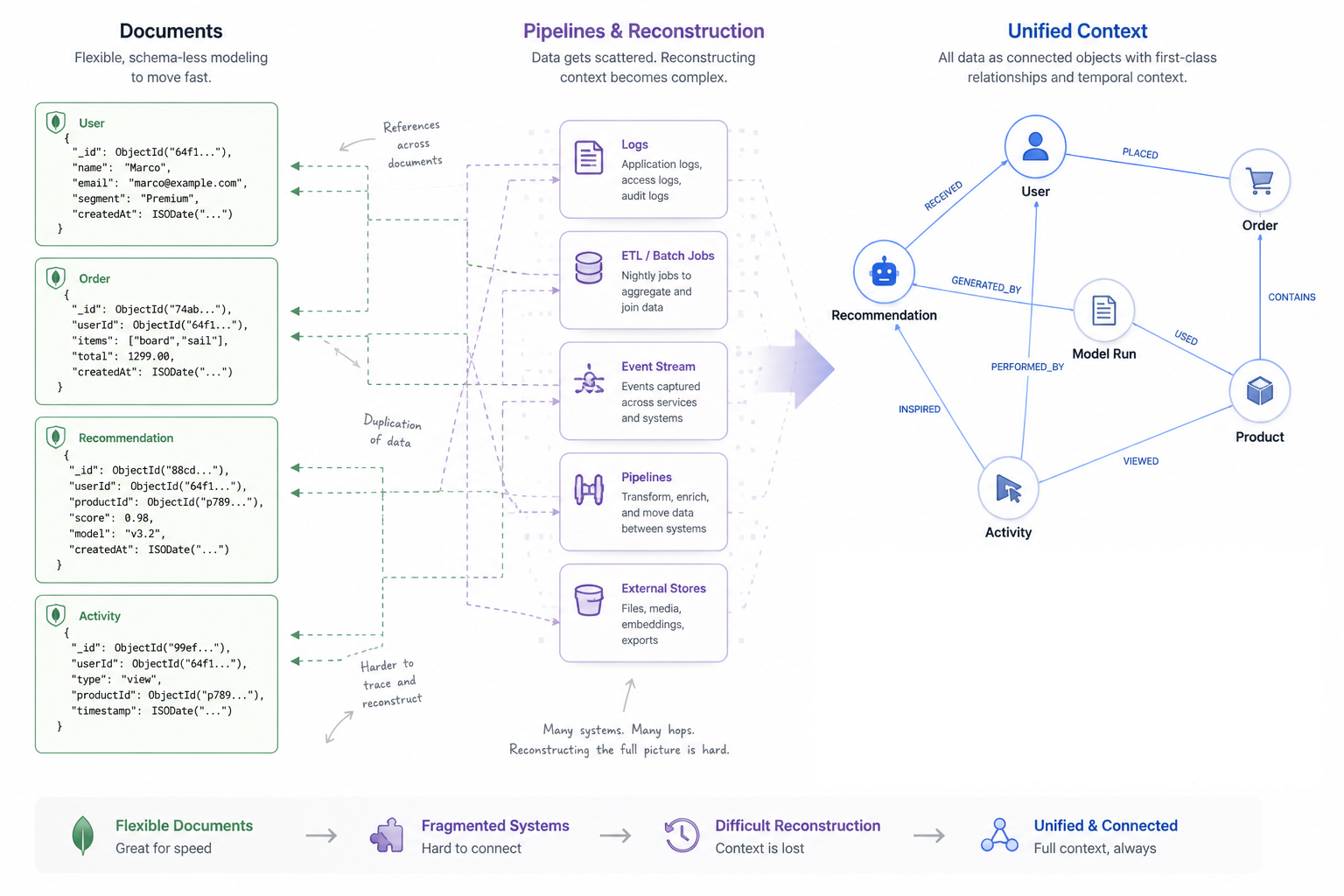
Coming From MongoDB
If you’re coming from MongoDB, you already value flexibility and rapid iteration. But as systems grow—adding relationships, AI, and time—teams often start looking for MongoDB alternatives. This article explores a unified approach that preserves flexibility while making decisions fully traceable.
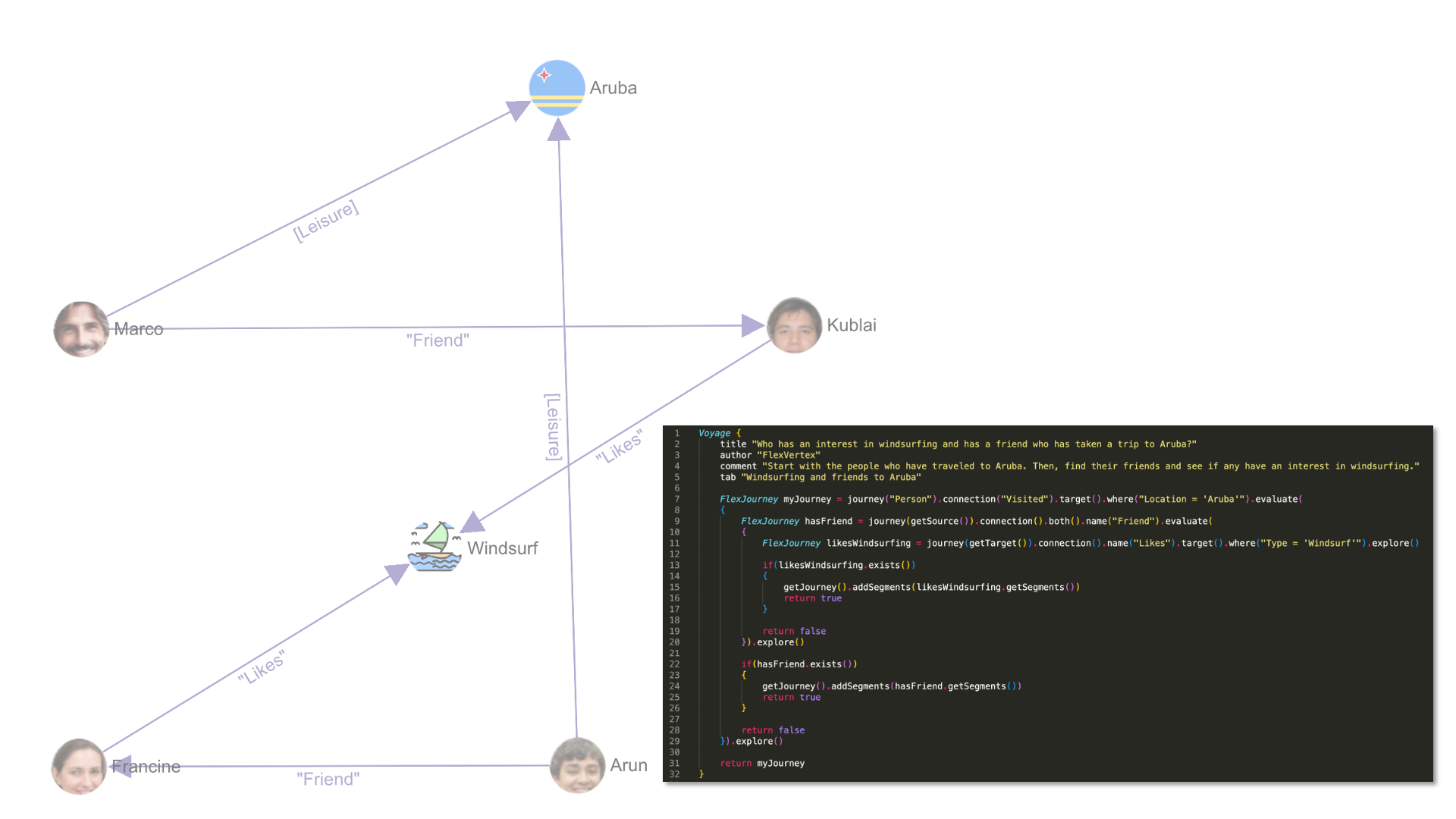
Coming From Neo4j
If you’re coming from Neo4j, you already understand the power of connected data. But as systems expand to include AI, assets, and temporal context, teams often start looking for Neo4j alternatives. This article explores a different approach—one that preserves and reconstructs decision context in a single, unified model.