

Reconstructing Physical AI Decisions: Why State Matters More Than Models
Most physical AI failures are system failures rooted in missing state. Logs, vectors, and explainability cannot reconstruct the exact conditions under which decisions were made. This paper outlines a shift toward structured, connected, and version-pinned state models that enable deterministic replay and true auditability.
Why Object Databases Failed — and Why Object-Native Substrates Are Finally Essential
Object databases failed because the world wasn’t ready. FlexVertex revives their core vision—native object persistence—reimagined for an AI-driven era. By unifying graph, document, vector, and temporal models under one cognitive substrate, it eliminates ORM friction, embeds semantics in class hierarchies, and provides a foundation not just for reasoning, but for reconstructing decisions with full context across time and systems.
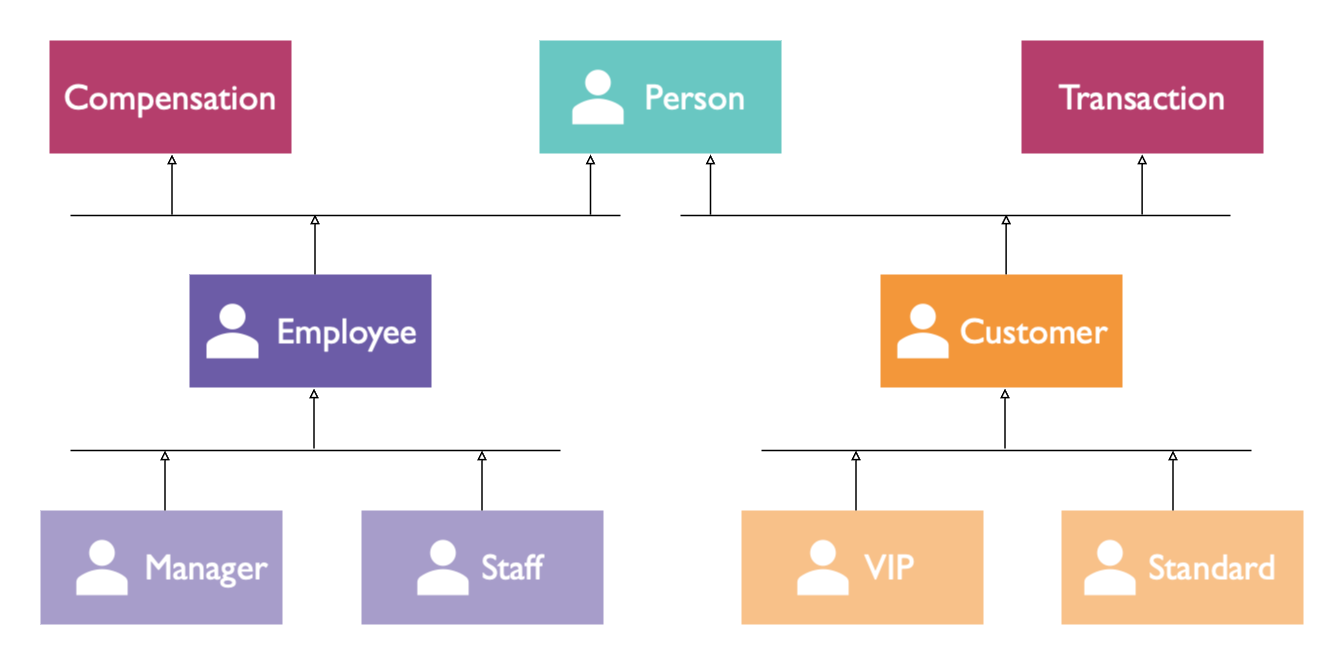
Beyond Joins: Named and Class-Based Connections
Relational joins hide meaning. FlexVertex makes relationships first-class: named connections are simple and direct, while class-based connections capture richer patterns with attributes. This preserves semantics, speeds queries, and provides AI with deeper, more explainable context.